
Research and Innovation
Innovating in the sanitation sector
SOIL's extensive research program is pushing the sanitation sector forward through innovative discovery, research, and design initiatives to better understand essential service delivery in complex, low-resource, urban communities.
Our research is focused on expanding sector knowledge and contributing to the global conversation on how to effectively respond to the worldwide sanitation crisis. SOIL's team partners with academic institutions to publish research findings and shares lessons learned at global conferences.
SOIL's Research Highlights
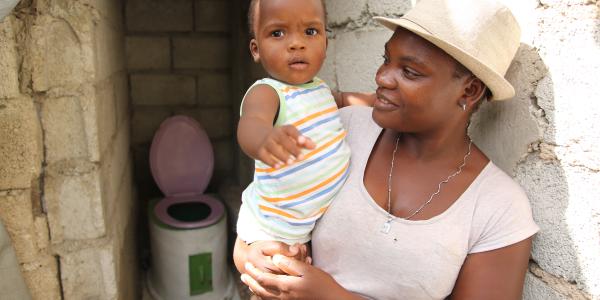
Household Subsidies
SOIL is testing the EquityTool, a country-specific wealth survey, to determine the effectiveness of its use for reliably helping to identify at-risk households that may be eligible for reduced fee options for the EkoLakay service.

Climate Finance
SOIL's waste treatment methodology is mitigating ~ 0.7MT of CO2eq per household per year. The SOIL team is exploring opportunities to turn this climate impact into revenue to support the household service.
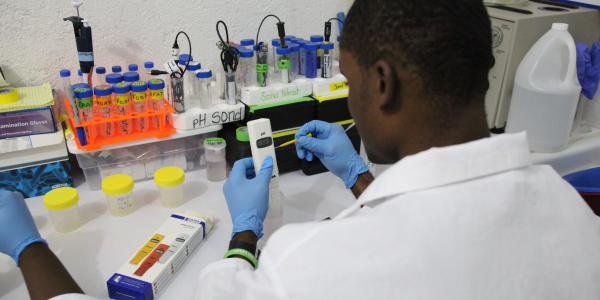
Baseline Sanitation Survey
The collection of baseline sanitation data in high risk priority zones in the Cap Haitian region to understand sanitation ownership, access and household needs and strategies for equitable sanitation service offerings.
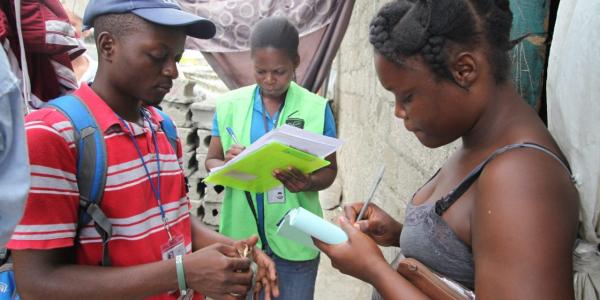
Results-Based Financing
In late 2023 SOIL is piloting an outcomes-payment model in partnership with other stakeholders. Outcome payments will be tied to increase in households on the service and positive sanitation behavior change.
Meet SOIL's Research Team

Maya Lubeck-Schricker
Maya holds an MS in Epidemiology from the University of Washington and specializes in study design and quantitative data analysis to strengthen evidence-based decision-making and address operational challenges within SOIL’s sanitation service. Her career in global health began at Tufts University, working with Dr. Ramnath Subbaraman on projects examining tuberculosis treatment adherence as well as associations between legal and water access in Indian slums. She later consulted for the Gates Foundation on initiatives spanning the burden of Shigella in the Americas, vaccine investment strategy, climate-related health risks, gender equity in health R&D, and the role of AI in global health. Maya now brings this cross-cutting research background to advancing safe, sustainable sanitation in Haiti and beyond.

Bridj Ozeris
After completing his dissertation at the Université Chrétienne du Nord d’Haïti (UCNH), where he explored the intersection of agronomy and social issues, Bridj developed a strong interest in environmental and social justice. This commitment led him to join SOIL in 2021 through the Black Soldier Fly Project, where he has continued to expand his research expertise, particularly in the field of sanitation in Haiti.

Miselie Fanor Pierre
Miselie began working in the WASH sector in 2014, supporting underserved communities and strengthening health institutions through organizations such as the American Red Cross and Save the Children. In 2023, she joined SOIL to further her work with vulnerable communities by advancing safe sanitation research and services.
Latest Blogs on SOIL's Research

SOIL and Re.Source Co-Author Second Paper on Household Sanitation
Back in May we excitedly announced that we had co-authorized a paper with our collaborators at re.source sanitation ( and you can check it out here). We now are pleased to say that the second paper from this collaboration has hit the press! As we started researching and planning our household....
SOIL Presents at WEDC 2013: Piloting Ecological Sanitation (EcoSan) in the Emergency Context of Port-au-Prince, Haiti, After the 2010 Earthquake.
SOIL is thrilled to announce that we recently had two papers published by the Water, Engineering and Development Centre (WEDC) that are being presented today and tomorrow at the 36th WEDC International Conference. Today, Anthony Kilbride, a former SOIL employee and current (lifelong) SOIL....